
The Science Bit

Skin Science
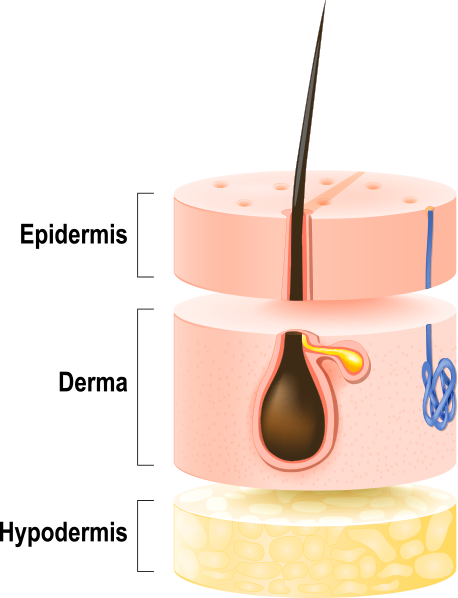
The outer layer of the skin, the part we see and which may become sore or irritated, is called the epidermis. It’s the protective barrier, a bit like a brick wall, that keeps the good stuff, such as essential oils and water in and the bad stuff, such as irritants and allergens out.
Imagine healthy skin to be like a solid brick wall whereas damaged skin is a wall with cracks or is crumbling. When the skin becomes damaged it can be sore and irritated. That’s why it’s really important if you’re at risk of such skin damage you manage this by using a barrier cream as this will form the protective layer you need.
The second layer is the multi-functional dermis. The dermis provides the epidermis with the nutrients it needs and gives skin its elasticity due to the protein collagen it contains. The dermis grows hair, produces sweat and the oil we need to keep our skin soft and waterproof.
The third and final layer is the hypodermis. This one’s a bit more scientific! The hypodermis attaches the dermis to our bones and muscles and its tissue keeps us warm and protects the body as it’s mainly made up of fat.
Healthy skin versus damaged skin X-plained
If your skin is healthy, it will retain the essential water it needs to make the cells on the top layer (the epidermis) swell so there’s no gaps. If there are no gaps the skin has formed its natural barrier, therefore, irritants or unwanted water can’t get in, meaning the skin stays soft and healthy.
Compare this to skin that is damaged, whereby skin loses its own natural moisture and in doing so the skin cells shrink and gaps are created – to us, this looks like cracks on the surface. If there are cracks then irritants and allergens can get in and the skin can become sore, inflamed and or itchy.
In its simplest terms, using a barrier cream forms a protective barrier over the gaps so the irritants can’t get in whilst an emollient gel or cream rehydrates your skin, easing any soreness or irritation. Using the two together will give you X-tra protection!